Quick answer: An HbA1c between 5.7% and 6.4% means prediabetes — your average blood sugar is higher than normal but not yet in the diabetes range (6.5% or above). It is a warning stage, not a diagnosis of diabetes. With weight, food, activity and sleep changes, many people can lower their risk of moving on to type 2 diabetes.
What are the normal, prediabetes and diabetes ranges?
These are the cut-offs used by the American Diabetes Association Standards of Care 2026:
| Test | Normal | Prediabetes | Diabetes |
|---|---|---|---|
| HbA1c | Below 5.7% | 5.7–6.4% | 6.5% or higher |
| Fasting plasma glucose | Below 100 mg/dL | 100–125 mg/dL | 126 mg/dL or higher |
| 2-hour glucose after 75 g OGTT | Below 140 mg/dL | 140–199 mg/dL | 200 mg/dL or higher |
A diabetes diagnosis usually needs two abnormal results (either the same test repeated or two different tests), unless symptoms are obvious. A single borderline value should be repeated.
How common is prediabetes in India?
Very common. The ICMR-INDIAB study, published in The Lancet Diabetes & Endocrinology in 2023 and covering more than 113,000 adults, found that 11.4% of Indians have diabetes and 15.3% have prediabetes — about 101 million and 136 million people. The same study found abdominal obesity in 39.5% of adults.
In other words, for every Indian adult with diabetes there is more than one with prediabetes, and most of them do not know it.
Why does prediabetes matter if I feel fine?
Prediabetes usually has no symptoms. That is exactly why it matters:
- It is the stage just before type 2 diabetes. In the Indian Diabetes Prevention Programme, 55% of people with impaired glucose tolerance in the standard-advice group developed diabetes within three years.
- Higher-than-normal sugars, belly fat, high blood pressure and abnormal cholesterol often travel together and raise heart risk.
- It is the best window to act, because changes made now have the biggest pay-off.
Can prediabetes be reversed?
Many people can bring their numbers back towards normal, and the risk of progressing can be reduced. The strongest Indian evidence comes from the Indian Diabetes Prevention Programme (Ramachandran et al., Diabetologia 2006). Among 531 adults with impaired glucose tolerance followed for three years:
- Lifestyle changes (diet plus physical activity advice) lowered the relative risk of diabetes by 28.5%.
- Medicine alone lowered it by a similar amount, and combining the two added no extra benefit.
So lifestyle is the foundation. Whether medicine is also needed is an individual decision. Talk to your doctor before making changes.
What should I actually change? A practical Indian checklist
- Plate: half vegetables, a quarter protein (dal, chana, paneer, eggs, fish, chicken), a quarter grains. Swap part of the white rice for millets, brown rice or extra vegetables.
- Watch the hidden sugar: sweet tea and coffee, packaged juices, biscuits and festive sweets add up quickly.
- Move daily: a brisk walk after meals helps lower post-meal sugar. Add simple strength exercises two or three times a week.
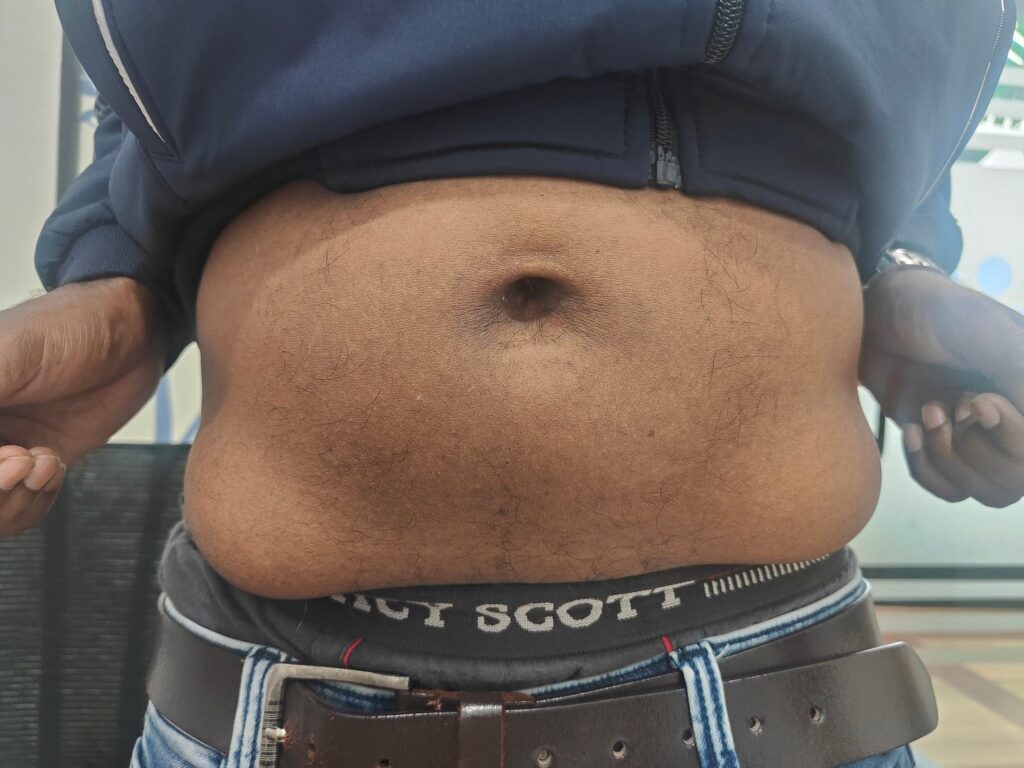
- Waist first: for Indians, belly fat matters even when weight looks “normal”. Losing a few kilos and a few centimetres from the waist helps. If you already have diabetes, see also protecting your kidneys in diabetes.
- Sleep and stress: short sleep and constant stress push sugars up.
- Recheck: repeat HbA1c or fasting sugar as advised, usually within a year, so you know whether things are improving.
Who should get tested?
The ADA recommends testing adults who are overweight — for people of Asian ancestry this means a BMI of 23 or more — and anyone with other risk factors such as a family history of diabetes, high blood pressure, PCOS or diabetes in pregnancy. For everyone else, testing should begin at age 35. Many Indians develop diabetes at a lower weight and a younger age than Western populations, so do not wait for symptoms.
When should you see an endocrinologist?
See a specialist if your HbA1c is in the prediabetes range and is rising, if you also have PCOS, thyroid problems, fatty liver or a strong family history, if you are planning a pregnancy, or if you are unsure whether you need medicine. Dr. Kiran Kumar Pasam is a Consultant Endocrinologist at AIG Hospitals and founder of Harmonyx Health in Hyderabad, and sees patients with prediabetes, diabetes and weight concerns, including those from Kokapet, Narsingi and Tellapur. Book a consultation.
Frequently asked questions
Is an HbA1c of 6.0% diabetes?
No. An HbA1c of 6.0% is in the prediabetes range (5.7–6.4%). Diabetes is usually diagnosed at 6.5% or above, confirmed by a repeat test or a second test such as fasting glucose. A value of 6.0% is a clear signal to start lifestyle changes and recheck as advised by your doctor.
Can prediabetes go back to normal?
Often, yes. Weight loss, regular activity and better food choices can bring sugars back towards normal and lower the chance of developing diabetes. In the Indian Diabetes Prevention Programme, lifestyle changes cut the relative risk of diabetes by 28.5% over three years. Results vary from person to person, so regular follow-up matters.
What fasting sugar level means prediabetes?
A fasting plasma glucose of 100–125 mg/dL is called impaired fasting glucose, a form of prediabetes. 126 mg/dL or above, confirmed on repeat testing, suggests diabetes. Fasting means no food or caloric drinks for at least eight hours before the test.
Do I need medicine for prediabetes?
Not always. Lifestyle change is the first step for most people. Some people at higher risk may be advised medicine as well. This depends on your sugars, weight, age and other conditions. Talk to your doctor before making changes.
How often should I check HbA1c if I have prediabetes?
Most guidelines suggest rechecking at least once a year, or sooner if your doctor advises it. Checking regularly shows whether your changes are working and catches progression early.
Can thin people get prediabetes?
Yes. Many Indians develop high sugars at a normal body weight, often because of belly fat and low muscle mass. That is why Asian BMI cut-offs are lower (23 instead of 25) and why waist size matters.
Dr. Kiran Kumar Pasam, MD, DM (Endocrinology)
Consultant Endocrinologist, AIG Hospitals, Hyderabad · Founder, Harmonyx Health
Medically reviewed by Dr. Kiran Kumar Pasam · Last updated 22 November 2026
This article is for education and does not replace a personal consultation. Talk to your doctor before making changes to your treatment.
Sources
- American Diabetes Association Professional Practice Committee. Diagnosis and Classification of Diabetes: Standards of Care in Diabetes—2026. Diabetes Care 2026;49(Suppl 1):S27–S49. Link
- ICMR-INDIAB, Lancet Diabetes & Endocrinology 2023 — reported by Down To Earth and Open Magazine.
- Ramachandran A, et al. The Indian Diabetes Prevention Programme. Diabetologia 2006;49:289–297. Link